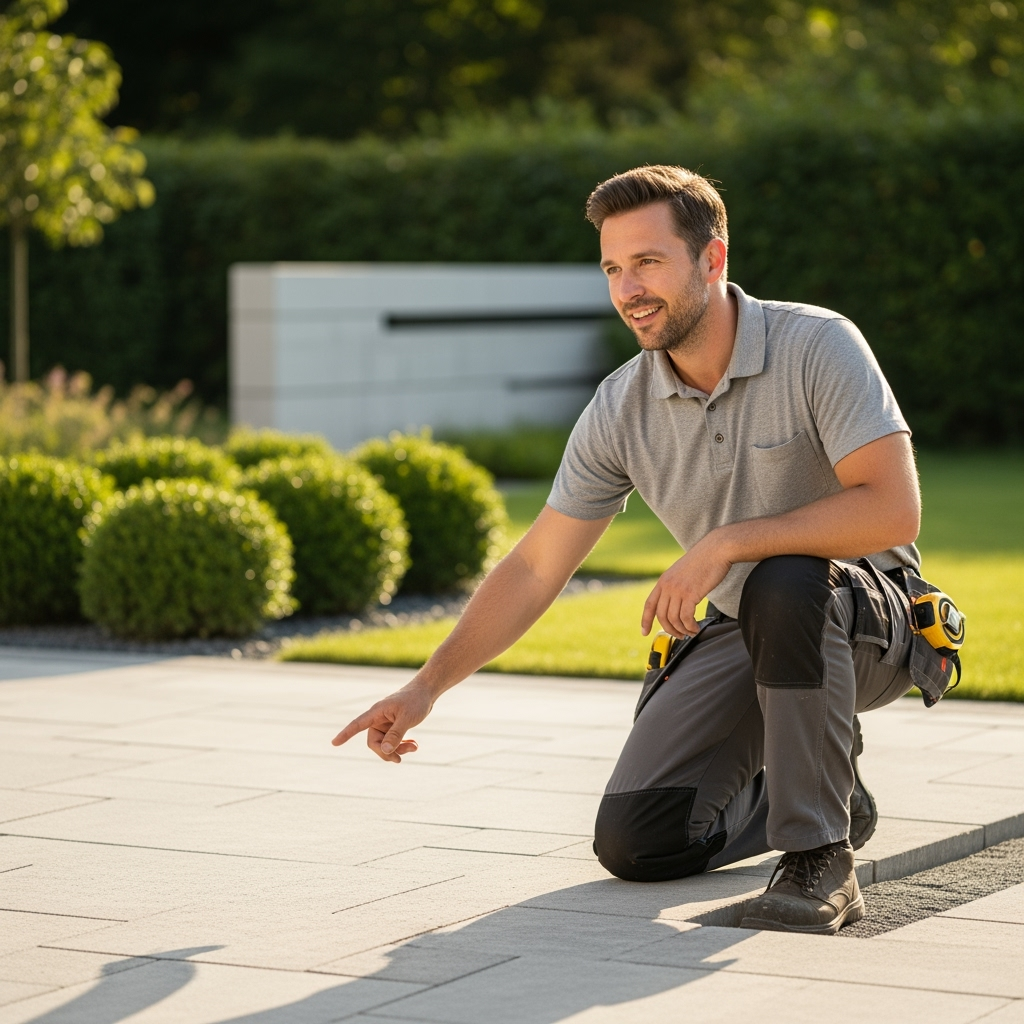
I get asked all the time where to find reliable hardscape contractors near me who can transform a yard into a year-round outdoor living space. If you live in New Jersey or the surrounding towns, choosing the right team matters not just for looks but for drainage, durability, and resale value. For homeowners balancing green goals with practical needs, it’s worth noting national guidance about stormwater and runoff management from the Environmental Protection Agency to help guide hardscape planning: EPA.
Why choosing a local hardscape contractor matters
Local contractors understand regional soils, freeze/thaw cycles, and permitting norms in New Jersey. That knowledge affects everything from the base material you need under pavers to how to grade a patio so water runs away from your foundation. A contractor familiar with nearby neighborhoods and streets can also anticipate delivery logistics, seasonal schedules, and municipal rules that affect permits and inspections.
Common hardscape services you should expect
When you search for “hardscape contractors near me,” the top firms typically offer a suite of services that together create cohesive outdoor environments. Look for teams that provide design, drainage solutions, material sourcing, and full installation rather than one-off services. Typical offerings include:
- Patio and walkway design and installation using pavers, flagstone, or poured concrete.
- Retaining walls and terracing to manage slope and create usable yard space.
- Outdoor kitchens, fire pits, and seating walls to extend living space outdoors.
- Drainage upgrades—French drains, dry wells, and permeable paver systems.
What separates a good crew from a great one
A great hardscape contractor is part designer, part engineer, and part project manager. Beyond attractive photos and positive reviews, I look for four concrete signs before recommending a contractor: experience with local soils and weather cycles, detailed proposals, clear timelines, and warranties on workmanship. Contractors who coordinate with landscape designers or civil engineers are often better prepared for complex drainage or grading challenges.
Questions to ask before you hire
Bring at least these questions to your first meeting. Their answers reveal skill level, communication style, and attention to detail.
- How do you prepare the base for pavers or stone in winter-prone climates? (Look for compaction specs.)
- What drainage strategy do you recommend for this yard and why?
- Can you show examples of similar local projects and provide references?
- Do you offer a written warranty and post-installation maintenance guidance?
Design trends shaping hardscapes in 2025
Hardscape design keeps evolving. Two trends are especially relevant right now: sustainability-focused materials and multifunctional outdoor rooms. Permeable pavers and gravel systems reduce runoff and are more storm-resilient, a smart move in suburban New Jersey where heavy rain events are increasing. Homeowners are also combining cooking, dining, and lounging zones—think outdoor kitchen islands adjacent to low-maintenance paver patios that handle foot traffic and seasonal furniture.
Smart upgrades that add value
Consider these updates to make your hardscape both future-proof and welcoming:
- Permeable paving or integrated infiltration trenches to manage stormwater on-site.
- LED landscape lighting tied to timers or smart controls for security and ambience.
- Durable coping and properly capped retaining walls to prevent water intrusion.
Local factors that influence cost and timeline
Costs vary based on materials, site conditions, and permitting. In our area, expect timelines to shift around seasonal demand—spring and early summer are busiest. If a yard needs soil correction, deep excavation, or tree work, that adds time and budget. Always get at least two detailed estimates that break out materials, labor, and site preparation so you can compare apples to apples.
Budgeting tips
To keep your project on track without sacrificing quality, try these steps:
- Prioritize structural work first—drainage, grading, and base prep—then layer design elements like lighting and furniture placement.
- Ask about phased builds. You can install a patio now and add an outdoor kitchen later.
- Choose materials with longevity. A slightly higher upfront cost for high-quality pavers or stone often saves money over 10–15 years.
How hardscape contractors solve common homeowner problems
Homeowners call a hardscape contractor for many reasons: standing water on a lawn, failing retaining walls, uneven or sinking patios, or simply wanting an outdoor dining area. The right contractor will diagnose root causes—not just treat symptoms. For example, standing water is often a grading problem; the fix may involve re-grade, adding subsurface drainage, and using permeable surfaces to allow infiltration. A good crew will explain trade-offs and present at least two solutions with cost estimates.
Case examples of typical fixes
Here are scenarios I’ve seen repeatedly and how professionals typically resolve them:
- Sinking paver patio: Remove pavers, recompact base to spec, replace bedding sand, and reinstall pavers with proper edge restraints.
- Sloped yard with unusable space: Install tiered retaining walls with geogrid reinforcement to create flat planting or seating terraces.
- Backyard floods after heavy rain: Regrade high spots, install a French drain tied to a dry well, and switch some surfaces to permeable pavers.
Choosing materials for climate and low maintenance
In New Jersey’s climate, freeze-thaw durability matters. Concrete pavers with a good base, natural stone with proper coping, and polymeric sand in joints all help prevent frost heave. For low maintenance, select materials that are resistant to stains and that can be power washed without damage. Sealers can extend the life of stone and pavers but choose one compatible with permeable systems if drainage is a priority.
Material pros and cons at a glance
Keep these general trade-offs in mind when reviewing samples and quotes:
- Pavers: Highly durable and easy to repair, good for patios and driveways; may require joint maintenance.
- Natural stone: Visually striking and long-lasting; can be more expensive and require a specialized installer.
- Poured concrete: Cost-effective and flexible in shape; cracking can be an issue without proper control joints.
Permitting, codes, and neighbors
Local permitting can catch many common pitfalls before work begins. Depending on the scope—retaining walls over a certain height, extensive grading, or structures like pavilions—you may need permits and inspections. A seasoned contractor often helps assemble permit documents, site plans, and details required by municipal offices in Bergen County, Essex County, or whatever county your town falls into. Clear communication with neighbors about timing and truck access also reduces friction during construction.
How to vet reviews and portfolios
Photos are useful, but I pay attention to project descriptions and client comments that describe problem-solving and follow-up service. Look for projects similar in scale and scope to yours and read reviews for mentions of punctuality, cleanup, and warranty support. Ask to speak with a couple of past clients if possible; a short phone call can reveal how responsive the contractor was after project completion.
Red flags to watch for
Watch out for companies that pressure you to sign immediately, lack written contracts, or ask for unusually large deposits. If a contractor won’t provide references, a detailed scope, or permits when required, that’s a warning sign. Insurance and licensing are non-negotiable; make sure the contractor shows proof of both before work begins.
Maintenance tips after installation
Treat your new hardscape like any important investment. Seasonal maintenance helps preserves function and appearance: keep joints clean, clear debris from drainage channels, and power-wash surfaces on a gentle setting if needed. For retaining walls and raised terraces, inspect for signs of movement after winter thaw. Many contractors will offer an annual check-up for a small fee—worth it to catch small problems early.
Simple seasonal checklist
Doing a quick check each season prevents surprises:
- Spring: Inspect joints, check grading after snow melt, clear drains.
- Fall: Remove leaves and organic buildup from pavers and gutters to prevent staining and blockages.
- Winter prep: Store loose furniture and protect delicate stone with breathable covers.
How to start your search for the right local team
Begin by gathering inspiration—photos of patios, retaining walls, and outdoor rooms you like. Then request detailed proposals from two or three local hardscape contractors. Compare not just price but the scope: are they including excavation, base preparation, geotextiles, drainage, and cleanup? Ask for an expected start and completion date, and confirm any permit responsibilities. A written contract that spells out materials, warranties, and payment schedule is essential.
Final checklist before you sign
Don’t sign until you have these items confirmed in writing: a detailed scope, materials list, base preparation method, drainage plan, project timeline, warranty terms, and proof of insurance. If anything feels vague, request clarification. Good contractors appreciate clients who ask informed questions—it usually leads to better outcomes for both sides.
Bringing it all together
Finding the right hardscape contractor near you in New Jersey takes a bit of homework, but it pays off with a beautiful, resilient outdoor space that fits your lifestyle and climate. Prioritize contractors who understand local soils and weather, present clear plans for drainage and base prep, and offer durable materials and post-installation support. Embrace sustainable trends like permeable pavers when possible, and plan projects in phases if budget or timing is a concern.
If you’re ready to take the next step, I recommend contacting local teams for in-person consultations and written proposals. When you’re ready to move from ideas to a practical plan tailored to our area’s climate and permit rules, Creative Design NJ can help turn your yard into a durable, attractive outdoor room—get in touch to schedule a consultation and learn about options for patios, retaining walls, and low-maintenance hardscapes.